
Can You Buy a House Without an Agent? How We Bought a $33,000 House From an Estate
We bought a flood-damaged Louisiana house for $33,000 from an estate with 11 heirs, with no agent on either side. Here's what it took.
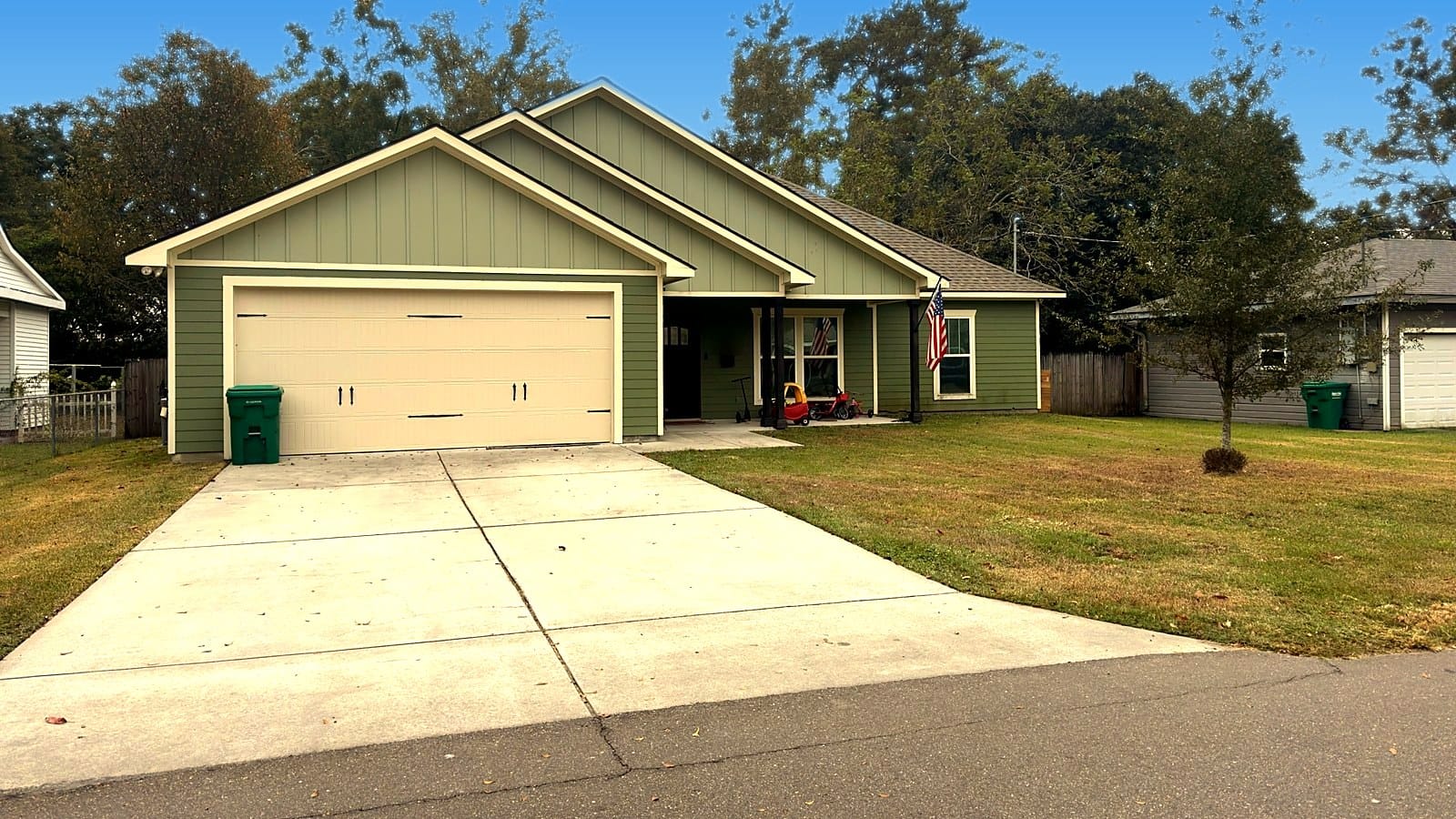
My wife and I bought our first house for $33,000, from a man I met on the sidewalk, without an agent on either side. It took eleven signatures, a real estate attorney, a construction loan and most of a year. It was the hardest thing we had done up to that point, and the best.
People ask whether you can buy a house without an agent. Yes. Here's what that actually looked like for us.
A house nobody was ever going to list
When Cassie and I bought that house, I was finishing my degree and working full time. We had been married about two years, and I'd been gone for nearly half of that. We were living in an apartment over my parents' garage until I finished school. Cliché, I know, but it was convenient.
While we lived there, we learned that the man across the street and two doors down had been living in his house for over a year without paying rent. One night he packed what would fit in his truck and trailer and left. Everything else stayed in the house.
About a week later I saw an older man walking around the property. Being the nosy neighbor, I went over and introduced myself. He was the owner, and he showed me the inside. It was a wreck. The house was pier and beam. The 2016 flood never got water inside, but the moisture underneath had rotted out much of the subfloor. Standing in the living room, I could see dirt.
I asked what his plan was. He said he didn't want to deal with it and was going to sell it as is, cheap, given the condition. When I asked how much, he said $33,000.
I asked if he would sell it to us. When he said yes, I told him not to bother with a for sale sign. We shook hands, and that started the most difficult and rewarding stretch of our lives up to then.
That house was never going to be listed. Nobody was going to photograph rotted subfloor and put it on a website. Plenty of homes change hands this way, between two people who found each other, and the question is never whether a professional should have been involved. It's whether the two people can get the deal done right.
Eleven heirs and a real estate attorney
It turned out the man wasn't the sole owner. The house was part of an estate, and there were eleven heirs. All of them had to agree to the sale.
This is where I called a real estate attorney, and I'd do it again. Half the heirs lived in south Louisiana and the other half in central Illinois. Every one of them had to be found and had to sign. It took months of back and forth.
A few things I learned:
- Who owns the house matters more than who shows it to you. The man who walked me through it had every right to sell his share, but not the whole thing. A title search is how you find that out before you've spent money.
- Heirs' property can turn up anywhere. When an owner dies and the estate is never formally settled, ownership can be split among many relatives, and every one of them has to sign.
- An attorney isn't the same as an agent. We didn't need anyone to find us a house or negotiate the price. We needed someone who could handle the legal side of an estate sale. That's a narrower job, and it's the one that mattered.
A construction loan, then a refinance
While the attorney worked on the heirs, I called a lender. Given the shape of the house, we really had two options: gut it and rebuild, or tear it down and start over. After about a week of going back and forth, we decided to tear it down.
The loan officer was patient and helpful. Once she understood the situation, she walked us through a construction loan, with the plan to refinance into a traditional mortgage once the house was built. She explained every requirement and every document before we needed it.
That's the part of buying without an agent that surprised me most. The professionals you actually need, the attorney, the lender and later the title company, will explain their part of the process if you ask. You don't need a go-between to talk to them.
Closing, building and moving in
After months of paperwork, we got the green light and closed on the purchase. We started planning the demolition and the build right away.
Five months of construction and one baby later, we moved in. I remember sitting on the floor of the empty living room, because we didn't own any furniture yet, looking at Cassie and our newborn and feeling more grateful than I knew how to say. We had turned a neglected lot into our home.
A few weeks later we met with the title company to finish the refinance into a traditional mortgage. It was smooth, much smoother than the purchase, since it was only us and the title company this time. We got a good rate and a payment we could manage, and that chapter was done.
What we'd tell anyone buying or selling this way
Our purchase wasn't typical, but the lessons are:
- Get the title checked early. The person selling may not be the only owner.
- Hire for the gap you actually have. For us that was legal help with an estate, not someone to find or price the house.
- Ask the lender to walk you through the loan. A construction loan followed by a refinance has more steps than a standard purchase, and a good loan officer will lay them all out.
- Expect it to take longer when an estate is involved. Ours took months, almost all of it spent collecting signatures.
- Keep everything in one place. Between the attorney, the lender, the heirs and the title company, we were juggling documents from a dozen people.
That last one is a big part of why we built Ziplyst℠. Buying or selling without an agent is legal and very doable. What's hard is keeping track of who owns which step, what's been signed and what comes next. The Ziplyst℠ beta opened November 2. Try it free at beta.ziplyst.com.
Your Move.
Frequently Asked Questions
Can you buy a house without a real estate agent?
Yes. No state requires a buyer to use a real estate agent. Buyers commonly work directly with the seller, a lender, a title company and, where needed or required, a real estate attorney.
What is heirs' property?
Heirs' property is real estate owned jointly by the heirs of someone who died without the estate being fully settled. Every heir with an ownership interest generally has to agree to and sign a sale, which can mean tracking down relatives in several states.
Do you need an attorney to buy a house from an estate?
It depends on the state and the situation, but an estate sale with multiple heirs is one of the clearest cases for hiring a real estate attorney, who can confirm who has the right to sell and prepare the documents each heir signs.
How does a construction loan work when you buy a teardown?
A construction loan typically funds the purchase and the build in stages as work is completed. When construction is finished, many buyers refinance into a traditional mortgage with regular monthly payments.
How long does it take to buy a house from an estate?
Longer than a typical purchase. When many heirs must sign, gathering signatures alone can take several months, especially if heirs live in different states.
What does a title company do in a home purchase?
A title company searches the property's ownership history, issues title insurance, holds funds and documents for closing, and records the transfer once the sale or refinance is complete.
What is Ziplyst?
Ziplyst℠ is an AI-powered real estate and education platform with a marketplace of tools built for homeowners who want to sell on their own terms. Learn more at ziplyst.com.
This is educational content, not legal or financial advice. Consult a licensed real estate attorney, tax professional, or financial advisor for guidance specific to your situation.
Ziplyst is a service mark of Ziplyst Inc.