How Do I Get My Home Ready to Sell? 10 Prep Moves That Actually Matter
Before buyers walk through your door, they've already made a judgment. This guide covers 10 high-impact prep moves that protect your bottom line and build buyer confidence from the first scroll.
Part 1 of The Complete Seller's Guide
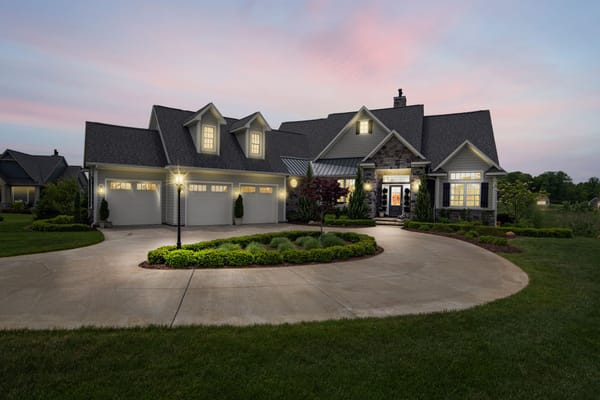
First impressions happen fast, and they happen before buyers ever walk through your door. They happen in the listing photos. They happen at the curb. They happen in the first three seconds a buyer scrolls past your home online.
If you're selling independently, prep work is your single biggest ROI. You're not just cleaning up. You're protecting your bottom line and setting the tone for every conversation, showing, and offer that follows.
This is Part 1 of our 7-part Complete Seller's Guide. We're starting with the foundation: making your home look move-in ready so buyers see value, not a project. Here are 10 high-impact prep moves that don't require huge budgets or renovations, just smart effort.
The 10 High-Impact Prep Moves
1. Declutter and Deep Clean
Start with subtraction. Remove extra furniture, clear the countertops, and thin out your closets. If a room feels tight, you have too much in it.
Then clean like you're handing the keys to a hotel guest. Floors, baseboards, windows, light fixtures, ceiling fans, all of it. If you wouldn't want to touch it, neither will a buyer.
And the thing nobody wants to hear: address pets and odors. Board pets during showings, remove litter boxes and food bowls from sight, and deal with any lingering smells in carpet, upholstery, or HVAC filters. You may be nose-blind to it. Buyers won't be.
Buyers equate clutter and dirt with poor maintenance, and that translates directly to lower offers.
2. Depersonalize the Space
Take down family photos, collections, and bold decor. It feels personal because it is personal, but that's the problem. Neutral, simple rooms photograph better and appeal to a much wider pool of buyers.
Buyers need to picture their life in your home, not feel like they're visiting someone else's.
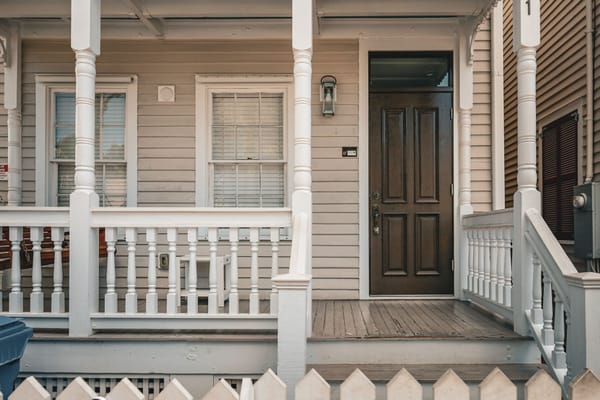
3. Boost Curb Appeal
Mow, edge, and trim. Lay fresh mulch. Power-wash the walkways and driveway. Clean the front porch. Repaint or touch up the front door and trim.
This won't cost much and it hits hard. Sloppy exteriors signal hidden problems to buyers before they even get inside.
4. Make Minor Repairs You've Been Ignoring
Fix the leaky faucet. Tighten the loose railing. Replace the cracked tile, the squeaky hinge, the burned-out bulbs. You know the list. You've been walking past it for months.
Small defects add up fast. Individually they're nothing, but together they tell a buyer this home wasn't cared for. That leads to low offers or aggressive repair requests.
5. Freshen Paint with Neutral Colors
Repaint any scuffed, marked, or boldly colored walls. Stick to light, neutral tones: soft whites, warm beiges, light grays.
Fresh paint brightens rooms, hides wear, and helps buyers feel like the home is move-in ready. It's one of the highest-return investments you can make for minimal cost.
6. Improve Lighting and Openness
Replace dim bulbs with brighter ones. Open the blinds. Remove heavy curtains. Rearrange furniture to create clear walkways and let natural light flow through the space.
Bright, open rooms look larger in photos and improve perceived value across the board. Dark rooms feel small, no matter the square footage.
7. Address Obvious Exterior Maintenance Issues
Repair damaged siding, missing shingles, loose gutters, peeling paint, and wood rot. This goes beyond curb appeal. These are the things that show up on inspection reports and give buyers leverage to renegotiate or walk away.
Buyers and inspectors notice these issues instantly. Fixing them upfront prevents deal-killing surprises later.
8. Stage Key Rooms
You don't need to hire a professional stager. Focus on the five spaces buyers care about most:
Living room - most important for listing photos
Primary bedroom - buyers want a calm, retreat-like space
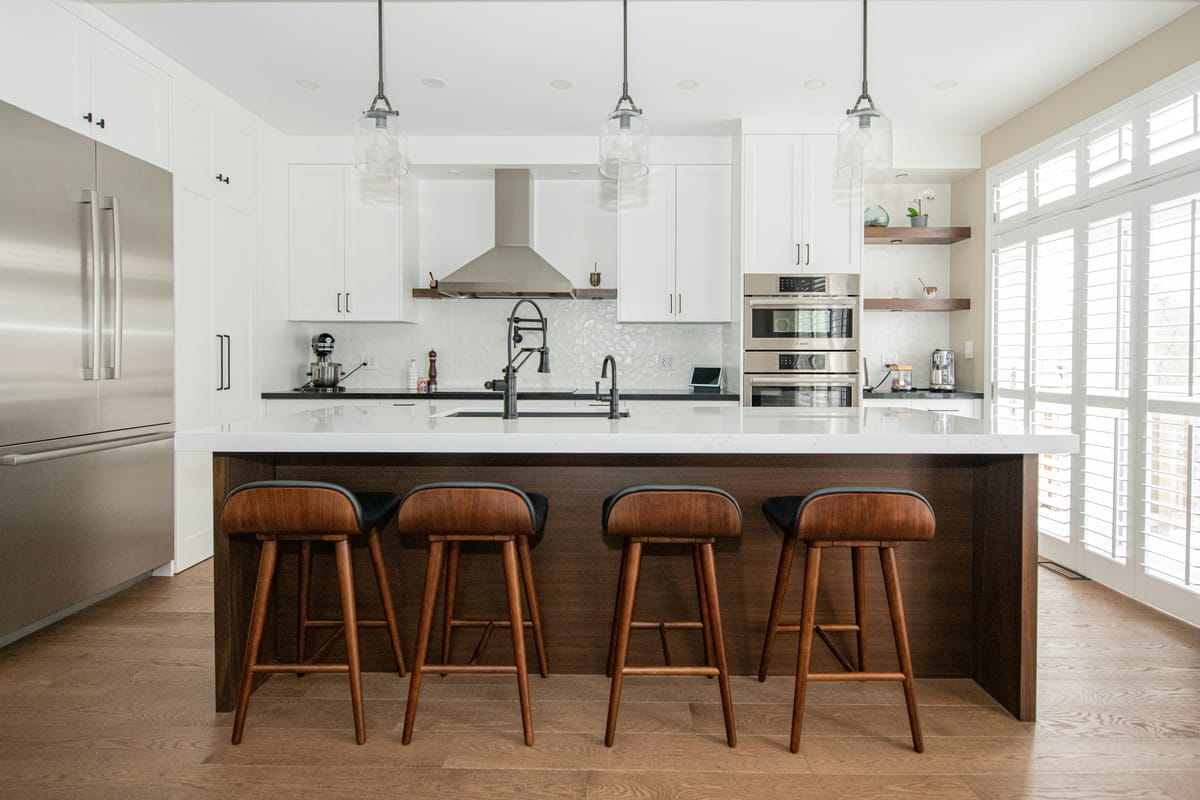
Kitchen - clean and organized signals move-in ready
Dining area - where buyers picture gatherings
Outdoor space or porch - staged outdoor areas feel like an extra room
Use conversational furniture layouts and remove excess pieces. Keep colors soft and neutral. Think hotel suite, not showroom. Clear counters except for two or three attractive items. Add a plant or two, make sure surfaces are clean, and keep the lighting bright.
Ziplyst Tip: Stand at the doorway of each room. The first few seconds of what you see from that angle is exactly what buyers will picture online. Make that view count.
9. Spruce Up Kitchens and Baths
Buyers don't renovate in their heads. They either see value or they don't, and kitchens and bathrooms are where that decision happens. The good news is that cosmetic refreshes go a long way without a renovation budget.
Deep clean the grout. Recaulk tubs and showers. Swap out dated cabinet hardware and light fixtures. Clear the counters of everything except a few intentional items.
Inexpensive cosmetic updates in these rooms feel like major upgrades to buyers.
10. Prepare and Organize Your Records
Gather receipts for major repairs, appliance manuals, warranties, and any maintenance records you have. Put them in a simple folder or a digital packet you can share.
This is one of those things that agents typically handle well, and it's an area where independent sellers can really stand out. Showing up with organized records immediately builds buyer confidence and supports your asking price. It signals that you've taken care of the home and that you're serious about the transaction.
Wrapping Up
These 10 prep moves don't require huge budgets. They require a bit of time, a bit of intention, and the willingness to look at your home through a buyer's eyes instead of your own
Independent sellers who invest energy upfront often sell faster and keep far more profit because they've built buyer confidence and removed hesitation before the first showing ever happens.
Up next in Part 2: Once your home looks the part, the next move is pricing it so it actually sells instead of just sitting there. We'll break down how to price your home right using comps, AVMs, and smart psychology, so you get offers, not crickets.
What is Ziplyst?
Ziplyst is an AI-powered real estate platform that helps homeowners sell their homes independently. We provide tools, vetted vendors, and step-by-step guidance to support the seller through the transaction.
Frequently Asked Questions
How long does it take to prep a home for sale?
Plan on two to four weeks for standard prep (cleaning, decluttering, minor repairs, paint touch-ups, landscaping). Add another two to four if you're doing bigger cosmetic work. Don't rush it. A home that photographs poorly sits longer and gets weaker offers.
What's the cheapest high-impact prep move?
Deep cleaning and decluttering. It's free if you do it yourself, a few hundred bucks if you hire out, and it makes every photo better.
After that: paint the front door (under $75), swap dim bulbs for bright daylight LEDs (about $30), and power wash the exterior. A weekend and $300 gets you all of it.
Do I need to stage?
If you live in the home, no. Declutter, depersonalize, and rearrange furniture for flow and light. That's enough.
If the home is vacant, yes. Empty rooms look smaller and colder than furnished ones. Full staging runs $2,000 to $5,000. Virtual staging ($30 to $75 per photo) is a budget alternative that works for online listings.