What's Actually in a FSBO Marketing Toolkit That Gets Your Home Noticed?
A for sale by owner sign in the yard is not a marketing plan. Here is what actually belongs in a FSBO marketing toolkit if you want buyers to find you and take your listing seriously.
You listed your home. You told yourself people would find it. And now it is week seven, the market is doing that thing markets do when mortgage rates top 7% (which they recently did), and your inbox is quieter than a Sunday library. So the question becomes very practical: how do you actually get eyeballs on a home you are selling yourself?
Let’s talk about it honestly. Not the fantasy version where a for sale by owner sign in the yard summons a bidding war overnight, and not the doom version where nobody can possibly find your home without a real estate agent’s magic Rolodex. The truth lives in the middle, and it is more within your control than you think.
With the DIY selling tools at Ziplyst℠, the goal is to give you the same visibility levers the pros use, minus the mystique. Here is how the actual channels stack up.
Which For Sale By Owner Marketing Channels Actually Generate Buyer Interest?
The MLS is the front door. When you use a flat-fee MLS service (those run roughly $99 to $499), your listing syndicates out to the big consumer portals, which is where most buyers start scrolling. That is table stakes. But the MLS is a distribution pipe, not a marketing plan. What fills the pipe with actual qualified interest is everything you do around it.
Photos are 80% of the job
If you take one thing from this post, take this: photos do roughly 80% of the work, and professional photos correlate with faster sales and higher prices. Buyers make a keep-or-scroll decision in about two seconds. A dim iPhone shot of a cluttered kitchen loses before the buyer ever reads your price.
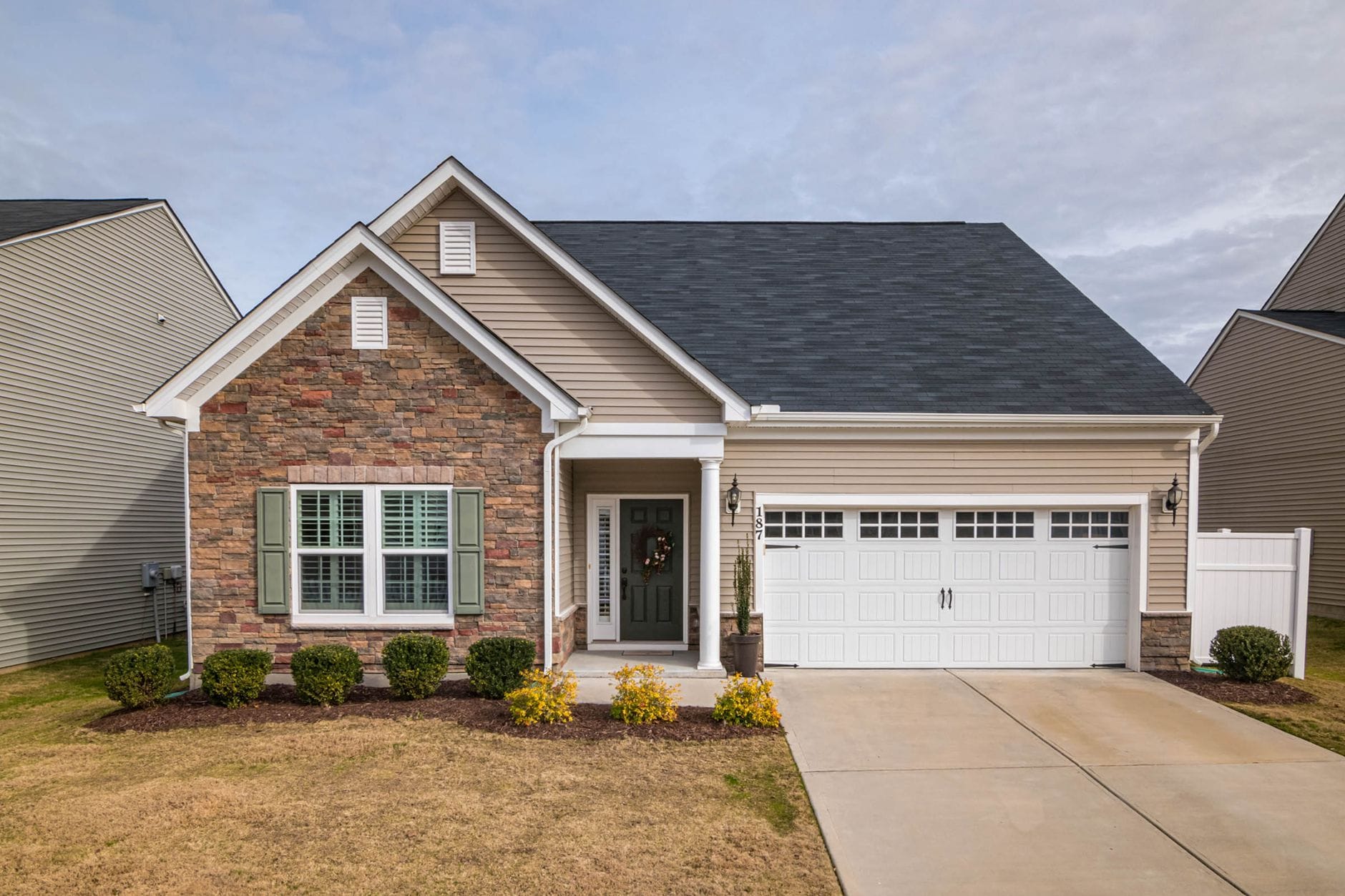
A solid FSBO marketing toolkit starts with a photographer, not a yard sign. Wide, bright, level shots. A twilight exterior if your home shows well at dusk. Maybe a floor plan and a short video walkthrough. This is the single highest-return dollar you spend, and it is not close.
Social and neighborhood channels
After the portals, the channels that tend to generate real interest are the human ones. Neighborhood groups. Community pages. Your own social feeds, where friends-of-friends do a surprising amount of forwarding. People buy near people they know, and the person three doors down often has a sister looking to move into the area. These channels cost you nothing but effort, and they reach buyers who are already emotionally attached to the location.
Email and open houses
An open house still works, especially if you promote it a few days out rather than just staking a sign in the ground that morning. The best listing launch window runs Thursday afternoon through Friday morning, so timing your debut and your first open house around that stretch can help you catch the weekend browsing wave while your listing is still fresh in the algorithm.
Is a Yard Sign Still Worth It, and How Professional Does It Need to Look?
Yes, and yes. The yard sign is quietly one of the highest-converting pieces of your for sale by owner marketing, because it reaches the one buyer nobody else can: the person who already wants to live on your street. They drive by, they see the sign, they call. That buyer is pre-sold on the location, which is half the battle.
But a sign made of a printed sheet in a plastic sleeve tells buyers something you do not want them to think, which is that the rest of the process will feel equally improvised. It does not need to be fancy. It needs to be clean, readable from a moving car, and have a phone number or a QR code that goes somewhere real. A twenty-dollar sign that looks intentional beats a five-dollar one that looks apologetic.
Pro tip: the QR code should land on your listing, not on a generic portal search that buries your home under forty others.
Does Building a Custom Website for a Unique Property Attract Better Buyers?
If your home is genuinely unusual (an architectural oddity, a large acreage parcel, a property that does not fit the standard three-bed-two-bath box), a dedicated single-property page can help. The portals are built for filtering by bedrooms and price. They are terrible at telling a story. A home that sells on story, not specs, benefits from a place where you control the whole page.
You do not need a developer. You need a clean page with a memorable web address, the good photos, the video, a map, and a way to contact you. Then you put that address on the sign, the flyer, and every post. The point is not the website itself. The point is having one URL that pulls scattered attention into a single place that looks handled.
For most standard homes, though, a custom website is a nice-to-have, not a difference-maker. Your energy is better spent on photos and pricing. Which is a good segue, because pricing is where a lot of stalled listings actually went wrong. If you are wrestling with a market that is not helping, this walkthrough on pricing without an agent when the market won’t cooperate is worth ten minutes.
Is Paying for Promoted Listings or Ads Worth It When the Home Has Been Sitting?
Here is the uncomfortable part. When a home sits for months, sellers reach for the ad budget as a rescue. Paid promotion can widen your reach, but it rarely fixes the actual problem, and the actual problem is usually one of three things: the price, the photos, or the condition. Spending money to show more buyers a listing they are already rejecting just means more people reject it.
Before you promote anything, do the honest audit. Are the photos doing the 80% job? Is the price anchored to real comps, or to what you wish the home were worth? Are showings happening but not converting, which points to condition, or are showings not happening at all, which points to price or visibility?
If the fundamentals are genuinely dialed in and you just need more top-of-funnel reach, then a modest promoted-listing budget can make sense. Set a cap, watch whether saves and inquiries move, and give it a defined window rather than an open wallet. A recent HousingWire piece on the levers that won’t thaw a frozen market is a useful reminder that broad market forces are not something your ad spend overrides. You control your listing. You do not control rates.
Can You Actually Sell Off-Market Without the MLS?
People do it. It takes more work and a specific situation. Off-market selling leans hard on your own network, neighborhood word of mouth, and sometimes a buyer who approaches you directly. It can work beautifully for a home in a hot pocket where demand outstrips supply, or when you value privacy over maximum exposure.
The tradeoff is real, though. The MLS exists because it multiplies your audience. Skip it and you are trading reach for control. There is also a live regulatory conversation about how listings get routed and surfaced online, which recently drew attention when state attorneys general were urged to look into pocket listings and portal routing. For a seller, the takeaway is simple: understand that where and how your listing appears is not neutral, so go in with eyes open about the visibility you are giving up when you stay off-market.
If you want to see how the whole thing fits together from prep to close, this start-to-finish guide to selling your house yourself maps the full sequence. And when you want to pressure-test your own plan, the AI tools at Ziplyst.ai can help you think through your marketing setup step by step.
Your Move.
Frequently Asked Questions
Do I need professional photos if my phone camera is good?
A good phone in good light beats a bad camera, but professional photographers bring wide lenses, lighting, and editing that phones do not. Since photos do roughly 80% of the work and correlate with faster sales and higher prices, this is usually the highest-return spend in a FSBO marketing package. If you skip everything else, do not skip this.
How much should I budget for a FSBO marketing toolkit?
It varies widely, but a common starting point covers a flat-fee MLS listing at $99 to $499, professional photos, and a clean yard sign. Optional extras like a single-property website or paid promotion are add-ons you can layer in later based on results.
When is the best time to launch my listing?
The best launch window runs Thursday afternoon through Friday morning, which positions your listing fresh heading into the weekend when buyer browsing peaks. Timing your first open house near that window can help you catch the same wave.
Will paying for ads sell a home that has been sitting for months?
Ads widen reach but do not fix price, photos, or condition, which are the usual reasons a listing stalls. Audit those fundamentals first, and if they check out, run a capped promotion for a defined window and watch whether inquiries actually move.
Can I really sell without listing on the MLS?
Yes, some sellers sell off-market through personal networks and neighborhood word of mouth, especially in high-demand areas. The tradeoff is reach, since the MLS multiplies your audience, so weigh the privacy or control you gain against the exposure you give up.
What is Ziplyst?
Ziplyst℠ is an AI-powered real estate and education platform with a marketplace of tools built for homeowners who want to sell on their own terms.
This is educational content, not legal or financial advice. Consult a licensed real estate attorney or financial advisor for guidance specific to your situation.
Ziplyst is a service mark of Ziplyst Inc.